When you walk into a building, you probably notice the floors, the windows, and the surfaces you interact with daily. But have you ever wondered what’s sitting above you—quietly collecting dust, allergens, and contaminants? The truth is, one of the biggest threats to indoor air quality and overall cleanliness isn’t where you look… it’s where you don’t.
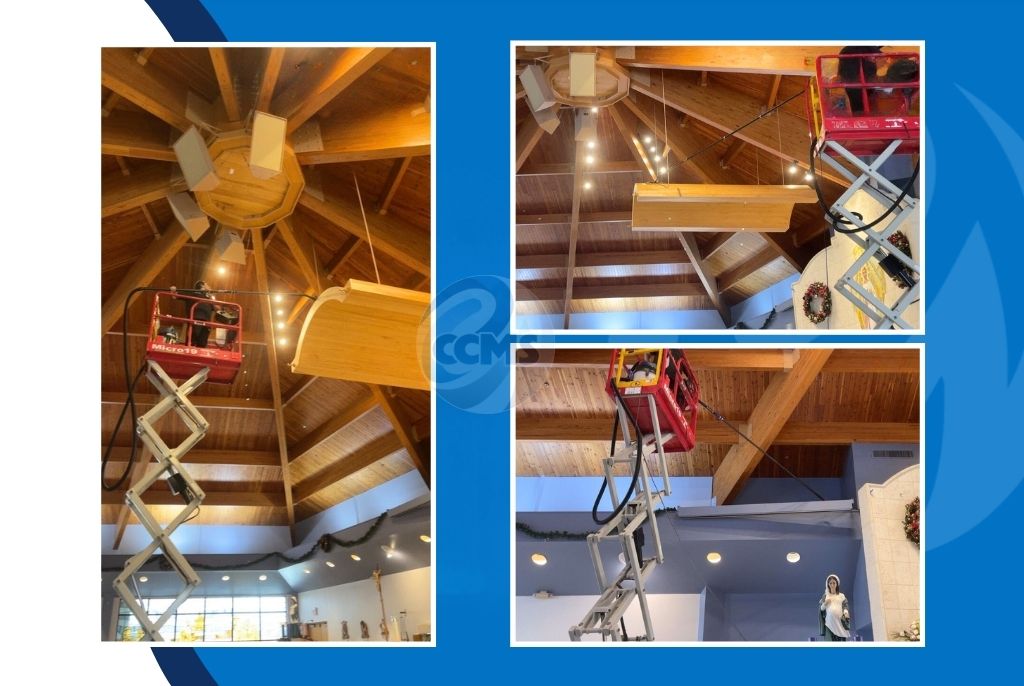
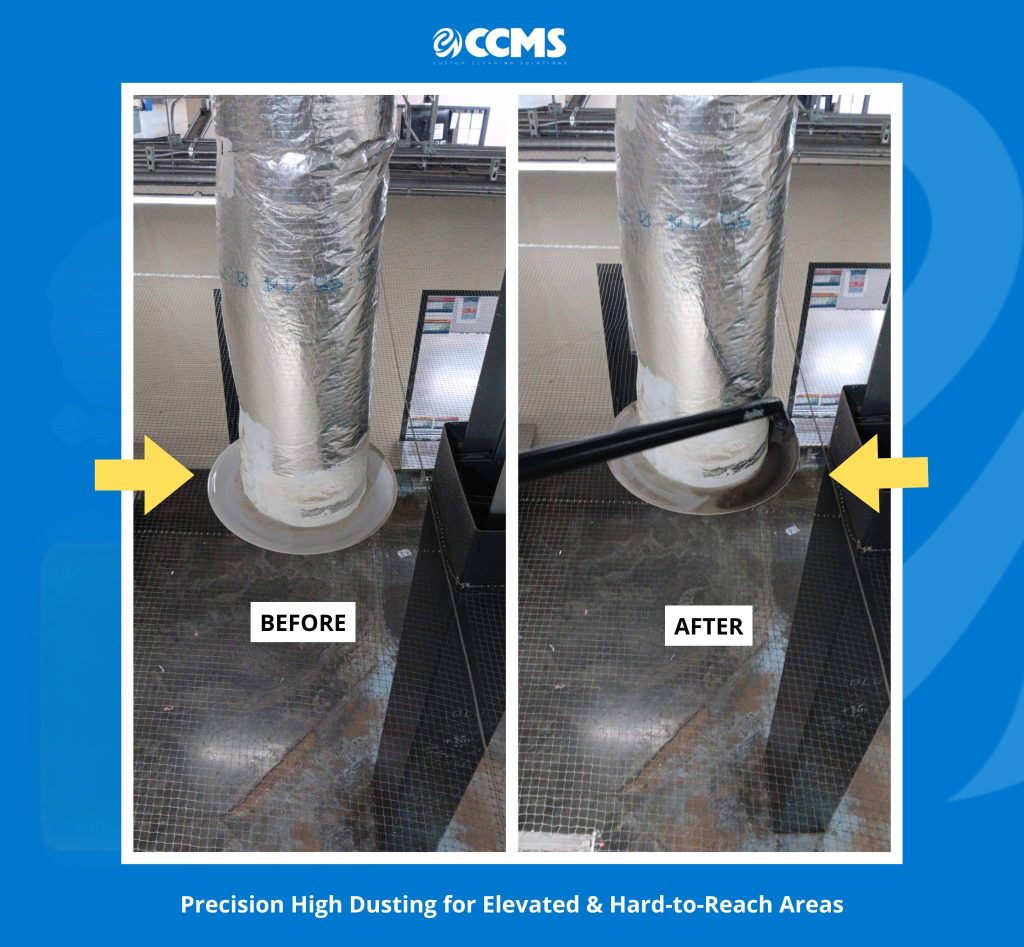
This is where high dusting becomes essential. High dusting focuses on cleaning elevated, hard-to-reach areas such as ceilings, exposed ductwork, rafters, beams, vents, sprinkler pipes, cable trays, and high light fixtures. These overlooked surfaces accumulate layers of dust and debris over time, and if not properly maintained, they can impact health, safety, and the overall appearance of your facility.
Why High Dusting Matters
Dust sitting on high surfaces doesn’t stay there forever. As the building’s heating, ventilation, and air conditioning systems run and foot traffic increases, particles drift downward, circulating throughout the building. This can trigger allergies, worsen asthma symptoms, and negatively affect workplace comfort and well-being.
High dusting removes this hidden buildup before it becomes part of the air occupants breathe, helping create a healthier environment for employees, customers, tenants, and visitors.
In commercial and industrial facilities, accumulated dust is more than an aesthetic issue. In certain environments—especially warehouses, manufacturing plants, and distribution centers—fine dust can become a combustible hazard under the right conditions.
Routine high dusting helps mitigate these risks, ensuring your facility stays compliant with safety standards and ready for inspections.
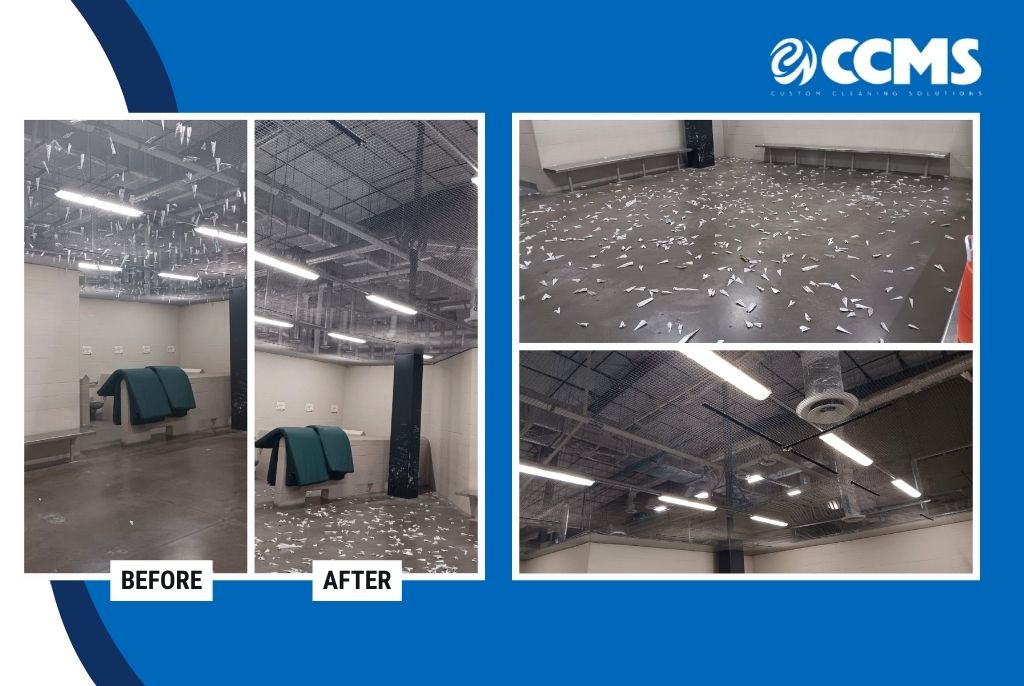
Even with strong daily cleaning routines, overhead pipes, beams, vents, and elevated fixtures are often missed. Over time, the buildup becomes visible, unprofessional, and can resettle onto freshly cleaned surfaces below.
High dusting ensures that your facility is clean from top to bottom—supporting a polished, well-maintained appearance that reflects your brand’s commitment to excellence.
How Professional High Dusting Works
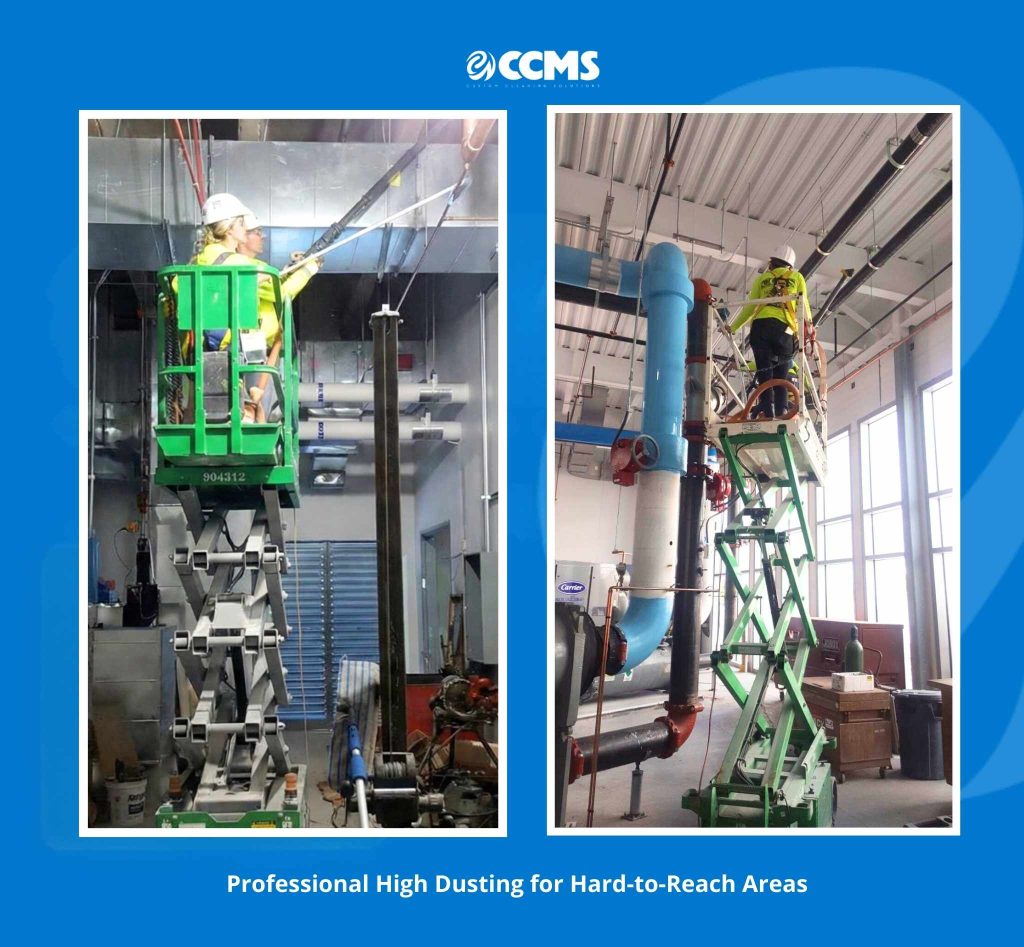
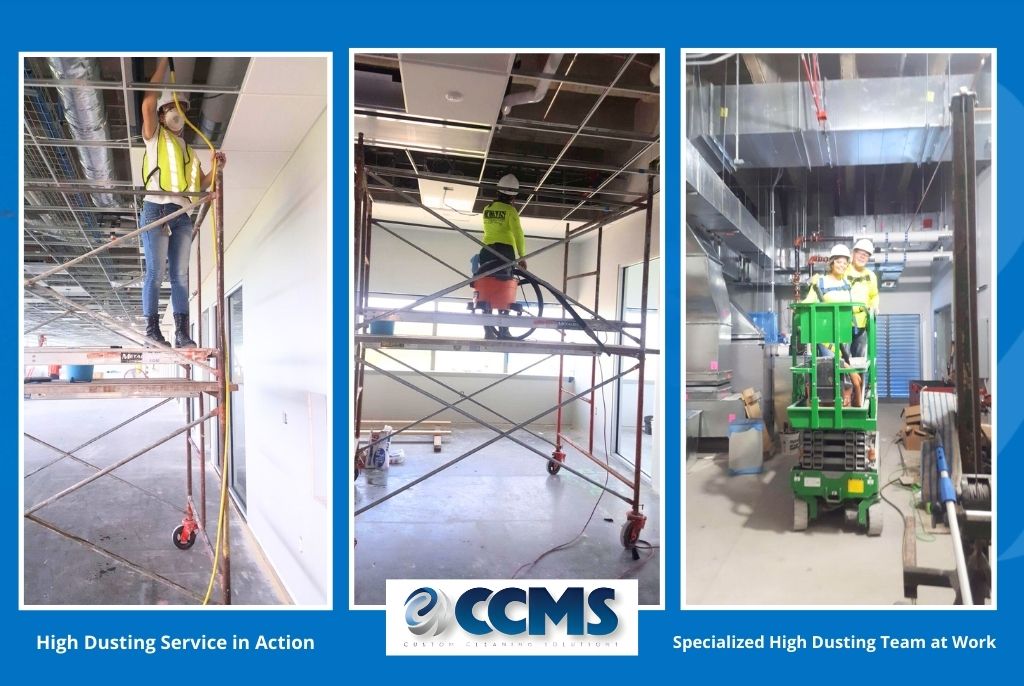
Professional high dusting typically uses advanced carbon-fiber telescopic poles capable of reaching 30–45 feet from the ground, which greatly reduces the need for ladders or lifts in many environments. This allows technicians to clean elevated surfaces safely and efficiently.
Common tools used in high dusting include:
This method enhances safety, increases productivity, and minimizes disruptions to daily operations while ensuring that elevated surfaces are thoroughly cleaned.
A Forward-Thinking Approach to Facility Health
High dusting is more than a cleaning task—it’s a proactive investment in your facility’s health. It protects occupants, helps equipment run efficiently, and elevates overall cleanliness standards. At CCMS, we look beyond the basics to deliver innovative, personalized, and sustainable solutions. Because we don’t just clean for today—we Clean Forward.
How High Dusting Supports the Proven Value of Cleaning
The importance of high dusting becomes even clearer when you look at the proven economic and health benefits of professional cleaning. As highlighted in The Value of Cleaning, removing dust, allergens, and other contaminants directly improves building performance and supports healthier, more comfortable spaces for occupants.
Dust in high, undisturbed areas can carry allergens and microbes that circulate into the air. Studies show employees miss an average of 7.7 days per year, costing organizations productivity. High dusting removes these particles, supporting a healthier and more productive workforce.
Cleanliness is the top factor influencing customer experience—above lighting, temperature, or music. Dusty overhead areas silently affect a building’s image. High dusting reinforces professionalism, trust, and comfort.
Dust buildup can restrict airflow and put extra strain on heating and cooling systems. Organizations that adopt intentional cleaning strategies have reported 7–28% energy savings. High dusting supports these results by keeping air pathways clear and helping systems operate more efficiently.
While not a clinical cleaning step, high dusting removes dust that may carry bacteria, spores, and pathogens. This supports a cleaner, healthier indoor environment and complements broader infection-control practices.
Final Insight
High dusting isn’t just about keeping things looking clean—it’s a smart, proactive step that boosts air quality, safety, customer perception, energy efficiency, and the overall performance of your facility. And when you pair it with the proven insights from The Value of Cleaning, the message becomes clear:
Cleaning is an investment—and high dusting is one of the smartest, most overlooked investments you can make.
If you’d like to enhance your facility’s health and performance, contact us at info@ccmspb.com. We’re here to help you Clean Forward!